

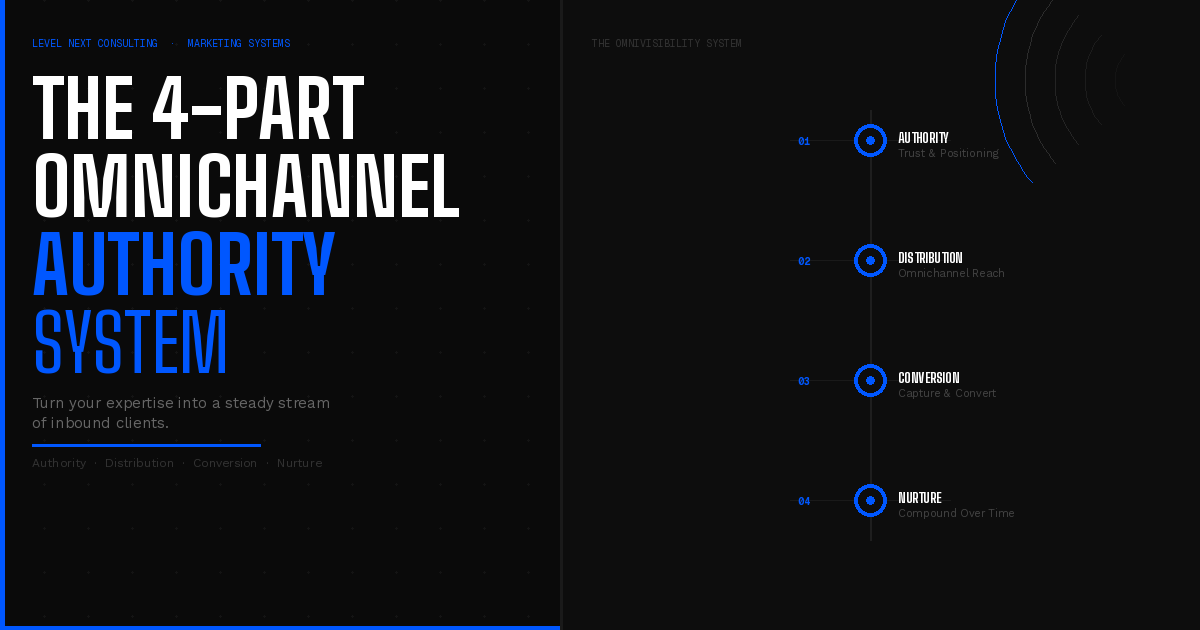
You are genuinely good at what you do. Your clients get results. Your referrals trust you. And yet your pipeline is unpredictable, your online presence is thin, and most of your ideal clients have never heard of you. Here is the system that fixes that.
This is a subtitle for your new post
Stop relying on referrals. Build a predictable inbound lead system for your B2B service business. Start generating consistent leads today!

Your website is getting traffic, but no leads? Discover the real reason service businesses don't convert visitors, and the system fix that changes everything.

Learn how to rank in AI search, including ChatGPT and Google’s AI results, and discover how to improve visibility with a clear, proven strategy.
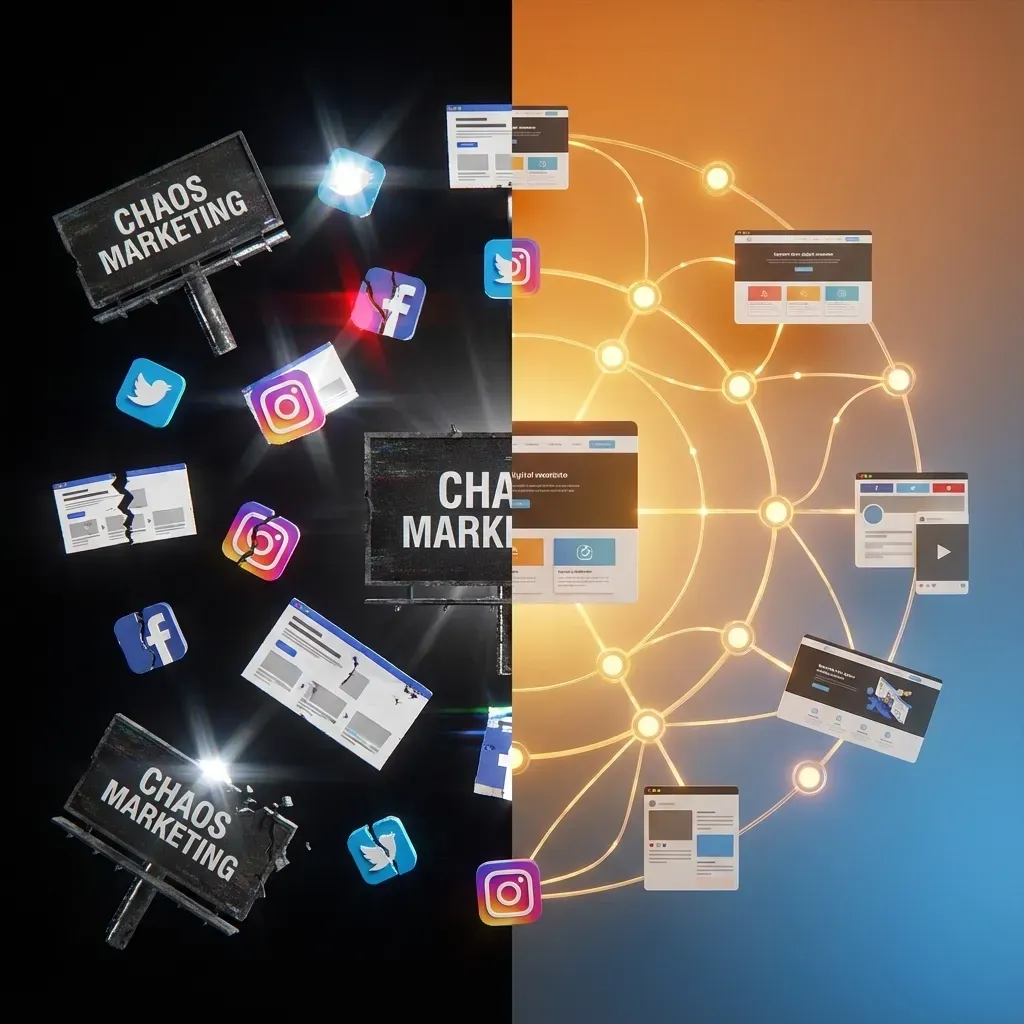
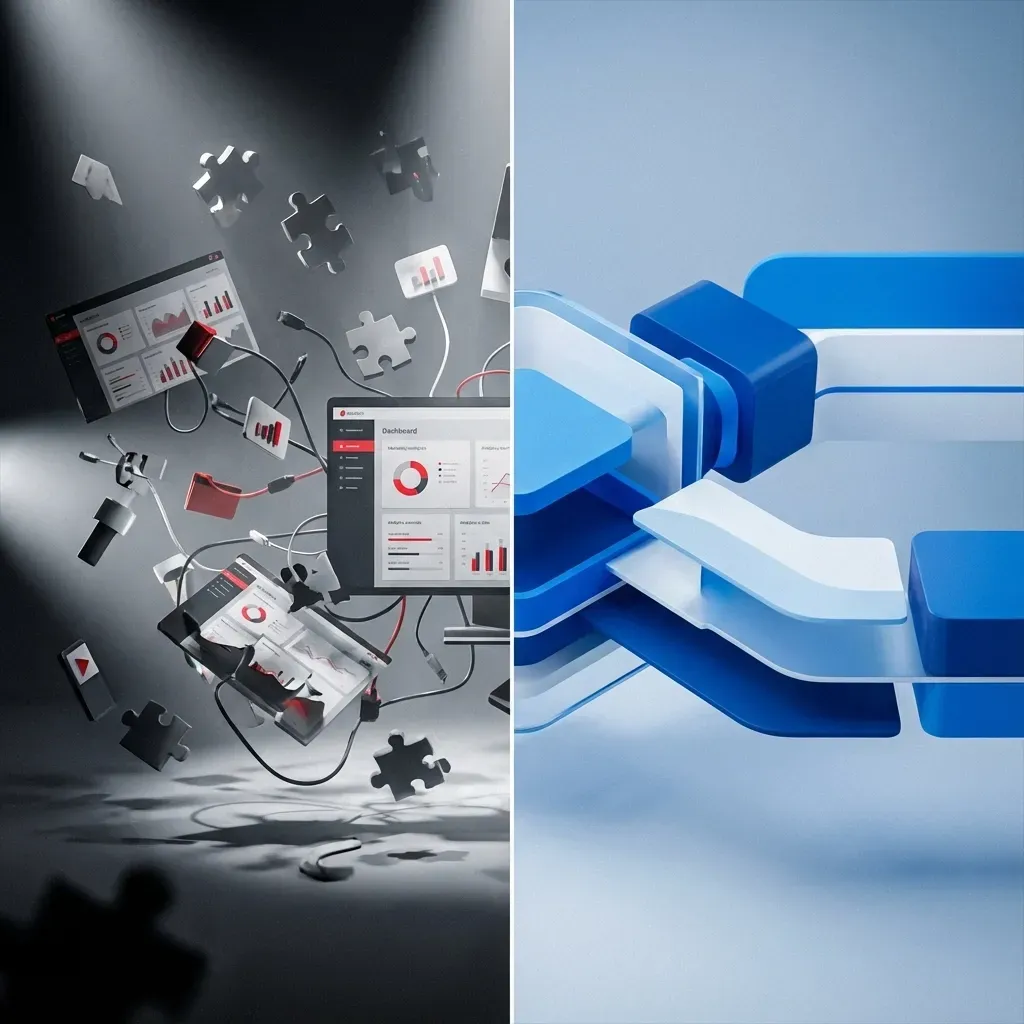
Every service business owner knows the truth: without visibility, there is no growth. But here's what most don't realize: visibility itself isn't the challenge anymore. The real problem is unstructured visibility that burns resources without building momentum. You're already posting content. You're running ads. You're showing up on social media. You might even be ranking for some keywords. But if growth feels inconsistent, if leads come in waves rather than steady streams, and if you're constantly "starting over" each month, the issue isn't that you need more visibility. It's that your visibility isn't designed to compound. In today's market, business visibility is non-negotiable. But the structure of that visibility: how it connects, reinforces, and builds upon itself: determines whether you're building a growth engine or just making noise. The Two Types of Visibility: Random vs. Strategic Most businesses operate with random visibility. They post when they remember. They run ads when budgets allow. They update their website occasionally. They respond to reviews when they notice them. Each effort exists in isolation, creating temporary spikes of awareness that fade as quickly as they appeared. Random visibility feels like progress because it generates activity. But activity without architecture doesn't compound: it just creates more work. Strategic visibility, on the other hand, is engineered. Every piece of content serves multiple purposes. Every ad campaign feeds into a larger system. Every social media post connects to email sequences, retargeting campaigns, and search optimization. When someone discovers you through one channel, they encounter consistent messaging across every other touchpoint. The difference isn't complexity: it's connection. Strategic visibility treats each marketing effort as part of an ecosystem, not as standalone tactics. This is why some businesses see explosive growth while others with similar budgets struggle to gain traction. Why Visibility Drives Trust Before Conversion Here's the psychological reality of modern buying: trust is built before the first conversation ever happens. When prospects research your industry, they're not just looking for solutions: they're looking for signals of credibility, authority, and reliability. The mere exposure effect proves that familiarity breeds preference. The more often someone encounters your brand in relevant contexts, the more trustworthy you appear. But this only works when that exposure feels intentional and consistent, not accidental and sporadic. Consider how your ideal clients make decisions. They Google their problem and scan the first page of results. They check social media for recommendations. They read reviews and case studies. They visit websites and compare approaches. They might even ask AI tools for suggestions. At every stage of this journey, they're forming judgments about competence, professionalism, and fit. If your visibility is structured correctly, you're building trust at each touchpoint. If it's random, you're either invisible or inconsistent: both of which work against you. Marketing visibility strategy that compounds leverages this psychology intentionally. When prospects see you ranking for relevant searches, posting valuable content, earning positive reviews, and maintaining an active social presence, they arrive at their first conversation already convinced of your credibility. Where Visibility Breaks Down for Most Businesses The breakdown rarely happens at the visibility level: it happens at the connection level. Most service businesses have decent individual marketing efforts. Their website looks professional. Their social media content provides value. Their ads reach the right people. Their email newsletters are informative. But these efforts don't talk to each other. Visibility without capture means prospects discover you, consume your content, and disappear without ever entering your system. There's no bridge from awareness to engagement. Visibility without follow-up means interested prospects slip through the cracks. They visit your website, download a resource, or engage with your content, but no automated system nurtures that interest into action. Visibility without sequencing means prospects encounter random pieces of your messaging in random order. Instead of experiencing a logical progression from awareness to consideration to decision, they get a confusing mix of introductory and advanced content. Visibility without attribution means you can't identify which visibility efforts actually drive results. You're visible, but you don't know which visibility creates value, so you can't optimize or double down on what works.
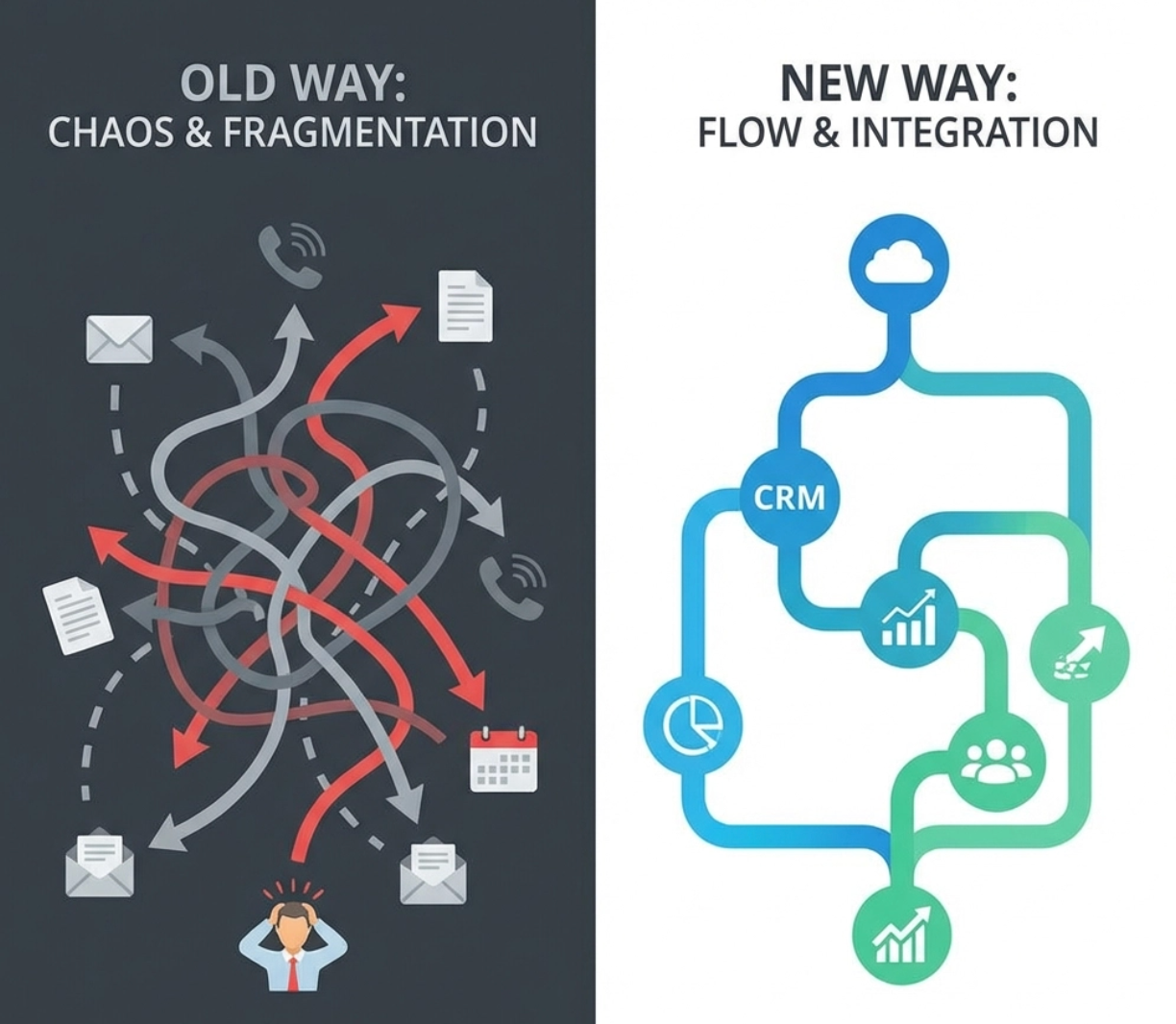
Most service businesses try to grow by doing more marketing—but real, predictable growth comes from robust marketing infrastructure. Discover why systems, not scattered tactics, are the secret to consistent leads, visibility, and revenue. Learn how to build the foundation with Level Next Consulting.