Business Visibility That Compounds: Why Structure, Not Just Exposure, Drives Predictable Growth
Every service business owner knows the truth: without visibility, there is no growth. But here's what most don't realize: visibility itself isn't the challenge anymore. The real problem is unstructured visibility that burns resources without building momentum.
You're already posting content. You're running ads. You're showing up on social media. You might even be ranking for some keywords. But if growth feels inconsistent, if leads come in waves rather than steady streams, and if you're constantly "starting over" each month, the issue isn't that you need more visibility. It's that your visibility isn't designed to compound.
In today's market, business visibility is non-negotiable. But the structure of that visibility: how it connects, reinforces, and builds upon itself: determines whether you're building a growth engine or just making noise.
The Two Types of Visibility: Random vs. Strategic
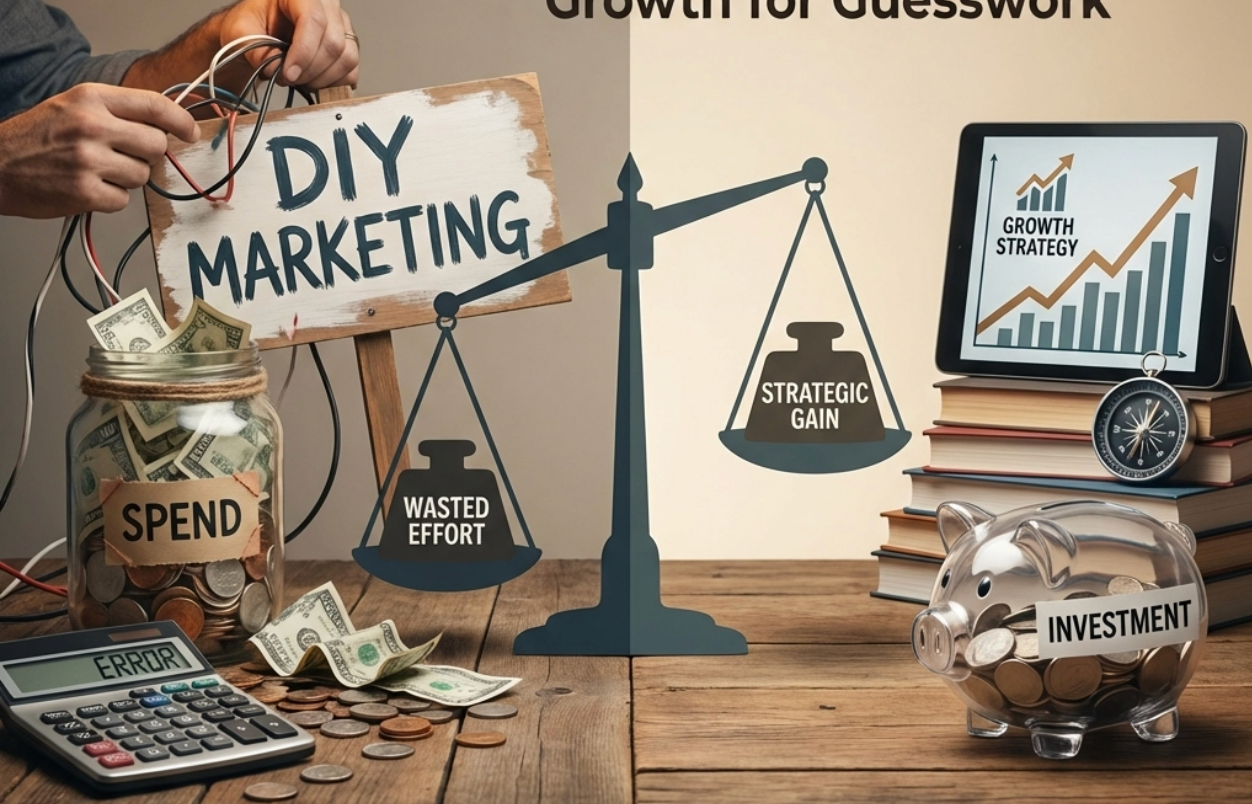
Most businesses operate with random visibility. They post when they remember. They run ads when budgets allow. They update their website occasionally. They respond to reviews when they notice them. Each effort exists in isolation, creating temporary spikes of awareness that fade as quickly as they appeared.
Random visibility feels like progress because it generates activity. But activity without architecture doesn't compound: it just creates more work.
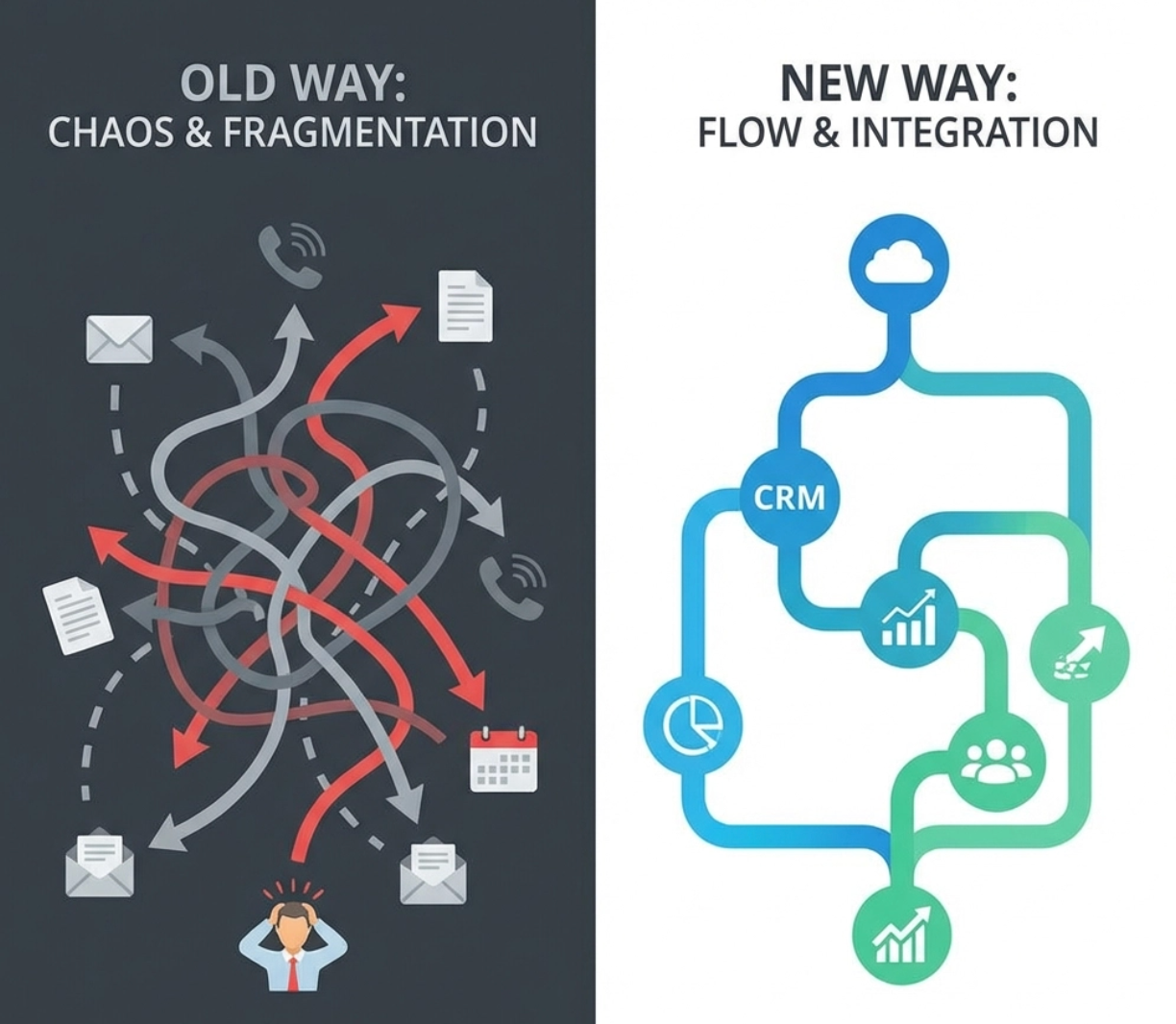
Strategic visibility, on the other hand, is engineered. Every piece of content serves multiple purposes. Every ad campaign feeds into a larger system. Every social media post connects to email sequences, retargeting campaigns, and search optimization. When someone discovers you through one channel, they encounter consistent messaging across every other touchpoint.
The difference isn't complexity: it's connection. Strategic visibility treats each marketing effort as part of an ecosystem, not as standalone tactics. This is why some businesses see explosive growth while others with similar budgets struggle to gain traction.
Why Visibility Drives Trust Before Conversion
Here's the psychological reality of modern buying: trust is built before the first conversation ever happens. When prospects research your industry, they're not just looking for solutions: they're looking for signals of credibility, authority, and reliability.
The mere exposure effect proves that familiarity breeds preference. The more often someone encounters your brand in relevant contexts, the more trustworthy you appear. But this only works when that exposure feels intentional and consistent, not accidental and sporadic.
Consider how your ideal clients make decisions. They Google their problem and scan the first page of results. They check social media for recommendations. They read reviews and case studies. They visit websites and compare approaches. They might even ask AI tools for suggestions.
At every stage of this journey, they're forming judgments about competence, professionalism, and fit. If your visibility is structured correctly, you're building trust at each touchpoint. If it's random, you're either invisible or inconsistent: both of which work against you.
Marketing visibility strategy that compounds leverages this psychology intentionally. When prospects see you ranking for relevant searches, posting valuable content, earning positive reviews, and maintaining an active social presence, they arrive at their first conversation already convinced of your credibility.
Where Visibility Breaks Down for Most Businesses
The breakdown rarely happens at the visibility level: it happens at the connection level. Most service businesses have decent individual marketing efforts. Their website looks professional. Their social media content provides value. Their ads reach the right people. Their email newsletters are informative.
But these efforts don't talk to each other.
Visibility without capture means prospects discover you, consume your content, and disappear without ever entering your system. There's no bridge from awareness to engagement.
Visibility without follow-up means interested prospects slip through the cracks. They visit your website, download a resource, or engage with your content, but no automated system nurtures that interest into action.
Visibility without sequencing means prospects encounter random pieces of your messaging in random order. Instead of experiencing a logical progression from awareness to consideration to decision, they get a confusing mix of introductory and advanced content.
Visibility without attribution means you can't identify which visibility efforts actually drive results. You're visible, but you don't know which visibility creates value, so you can't optimize or double down on what works.


The frustrating part? Nothing is fundamentally wrong with your visibility. It's just not connected yet. Once you engineer the connections, the same visibility efforts that felt ineffective start producing predictable results.
The Stat-Backed Reality of Modern Buying
The research on modern buyer behavior reveals why structured visibility matters more than ever:
• The average B2B buyer consumes 13 pieces of content before making a purchase decision • 96% of visitors to your website aren't ready to buy today • Prospects need to encounter your brand 7-12 times before taking action • 80% of sales happen after the fifth follow-up attempt • Companies that stay top-of-mind during long sales cycles win 2.5x more deals.
These numbers reveal the compound nature of modern selling. Single touchpoints rarely drive decisions. Instead, consistent presence across multiple channels builds the familiarity and trust that leads to conversion.
This is why online visibility for service businesses must be designed as a system, not a series of individual tactics. Each encounter with your brand should reinforce previous encounters and set up future ones. When visibility compounds this way, you're not just reaching prospects: you're building relationships over time.
What Engineered Visibility Looks Like
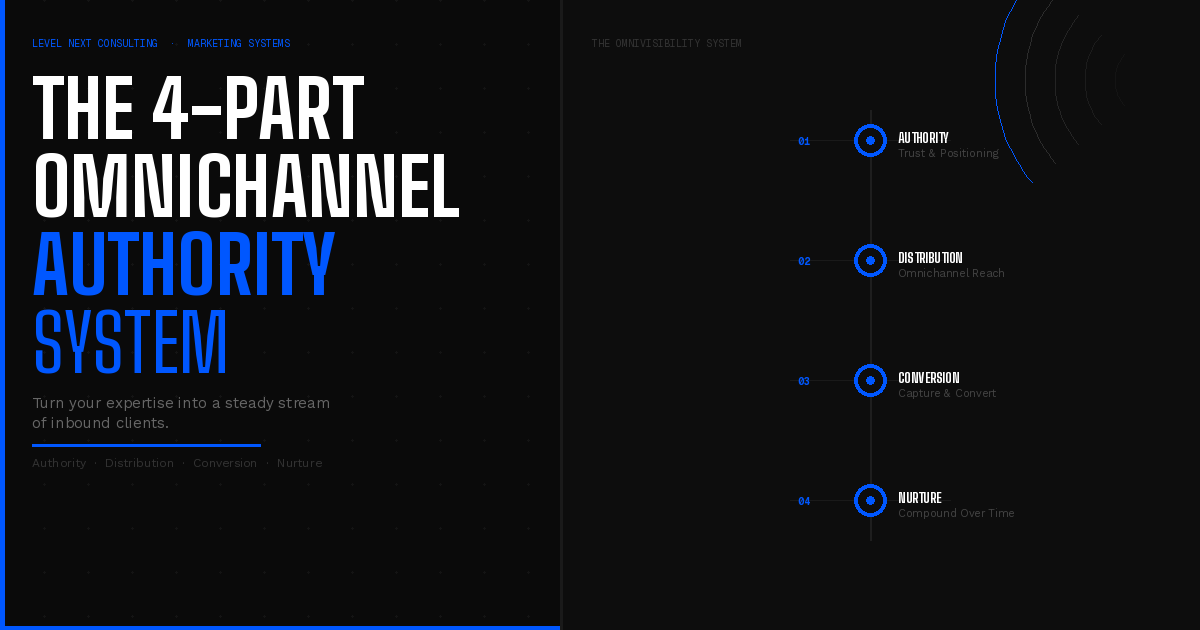
Omnichannel visibility doesn't mean being everywhere: it means being strategically present where your prospects make decisions and connecting those touchpoints into a cohesive experience.
Search visibility ensures you're found when prospects research their challenges. This includes ranking for industry keywords, but also appearing in local search, answer boxes, and industry-specific searches.
Content visibility establishes authority through valuable, consistent publishing across platforms. Blog posts, social media content, videos, and resources should reinforce the same core messages while serving different stages of the buyer journey.
Social visibility builds relationships and showcases personality. But instead of posting randomly, strategic social presence amplifies other visibility efforts and drives traffic to conversion-focused destinations.
Review and testimonial visibility provides social proof at critical decision moments. This includes managing review platforms, showcasing case studies, and making social proof easily discoverable.
Email visibility maintains presence between purchases and nurtures prospects over extended sales cycles. Automated sequences ensure consistent touchpoints without manual effort.

The key is automation and integration. Brand visibility systems connect these touchpoints so that discovery in one area leads to engagement in another, creating multiple opportunities for conversion over time.
Visibility That Compounds vs. Visibility That Expires
Not all visibility is created equal. Some efforts build lasting assets while others provide only temporary exposure.
Expiring visibility includes paid ads that stop working when you stop paying, social media posts that disappear in feeds after 24 hours, and networking events that provide one-time exposure without follow-up.
Compounding visibility includes SEO-optimized content that ranks for years, email lists that grow and provide ongoing access to prospects, retargeting systems that re-engage previous visitors, and review profiles that build authority over time.
The goal isn't to eliminate expiring visibility: paid ads and social media posts have their place. But sustainable growth requires a foundation of compounding visibility that continues working even when you're not actively managing it.
Consider content marketing as an example. A single blog post that ranks well can drive traffic, generate leads, and establish authority for months or years after publication. Social media posts about that blog post might drive immediate traffic, but the blog post itself becomes a long-term asset.
Predictable lead generation emerges when compounding visibility reaches critical mass. Instead of starting from zero each month, you're building on previous efforts. New content amplifies existing content. New ads retarget existing audiences. New social posts drive traffic to existing resources.
Who This Matters Most For
This approach to visibility is especially critical for businesses that already invest in marketing but struggle with consistency. If you're spending money on ads, creating content, maintaining social media presence, or optimizing for search, but growth feels unpredictable, the issue likely isn't your individual tactics: it's how those tactics connect.
Service businesses with longer sales cycles particularly benefit from structured visibility. When prospects need weeks or months to make decisions, random visibility efforts often miss the mark. But systematic presence throughout the consideration process significantly increases conversion rates.
Founders who feel like they're "starting over" every month understand this frustration viscerally. Despite consistent effort, each month feels like building from zero instead of building on previous momentum. This is the clearest sign that visibility efforts need better structure.

The businesses that benefit most are already investing in visibility: they're not starting from scratch. They just need their existing efforts to work together instead of competing for attention.
Building Visibility That Converts and Compounds
The shift from random to strategic visibility doesn't require more effort: it requires better design. When visibility efforts connect and reinforce each other, the same amount of work produces exponentially better results.
Start by auditing your current visibility efforts. Identify where prospects can discover you and what happens after that discovery. Look for gaps between channels and missed opportunities for connection.
Then, engineer the bridges. Ensure that search visitors can subscribe to your email list. Make sure social media followers can access your best content. Connect ad traffic to nurturing sequences. Build systems that capture interest and sustain engagement over time.
The goal is visibility that works even when you don't. Instead of manually managing dozens of disconnected tactics, you're orchestrating a system that compounds your effort and accelerates your growth.
If your business is visible but growth feels inconsistent, the answer isn't less visibility: it's better-designed visibility. When structure meets consistency, visibility transforms from an expense into an investment that pays compounding returns.
Ready to engineer visibility that converts and compounds? Explore our Omni Growth Codex to discover how systematic visibility drives predictable growth for service-based businesses like yours.
Recent Posts