


How to Rank in AI Search: The New Visibility Playbook for Businesses in 2026

Max Bergstrom • January 7, 2026

Share this article

Search Has Changed (Most Businesses Haven't)

Your customers aren't just Googling anymore. They're asking ChatGPT for restaurant recommendations, consulting Perplexity for business advice, and letting Google AI Overviews answer their questions without ever clicking a link.


When AI answers the question directly, where does your business show up?

If that question keeps you awake at night, you're not alone. 22% of businesses are already seeing traffic drops as AI-powered search engines reshape how people find information. But here's the reality: this isn't a problem you can solve with traditional SEO tactics.


The rules have fundamentally changed. AI search engines don't rank websites the way Google used to: they rank entities, authority, and visibility signals across the entire internet. Success now requires a complete shift from SEO-only thinking to visibility engineering across search, content, authority, and engagement signals.


What Is AI Search (And How It's Different From Google SEO)


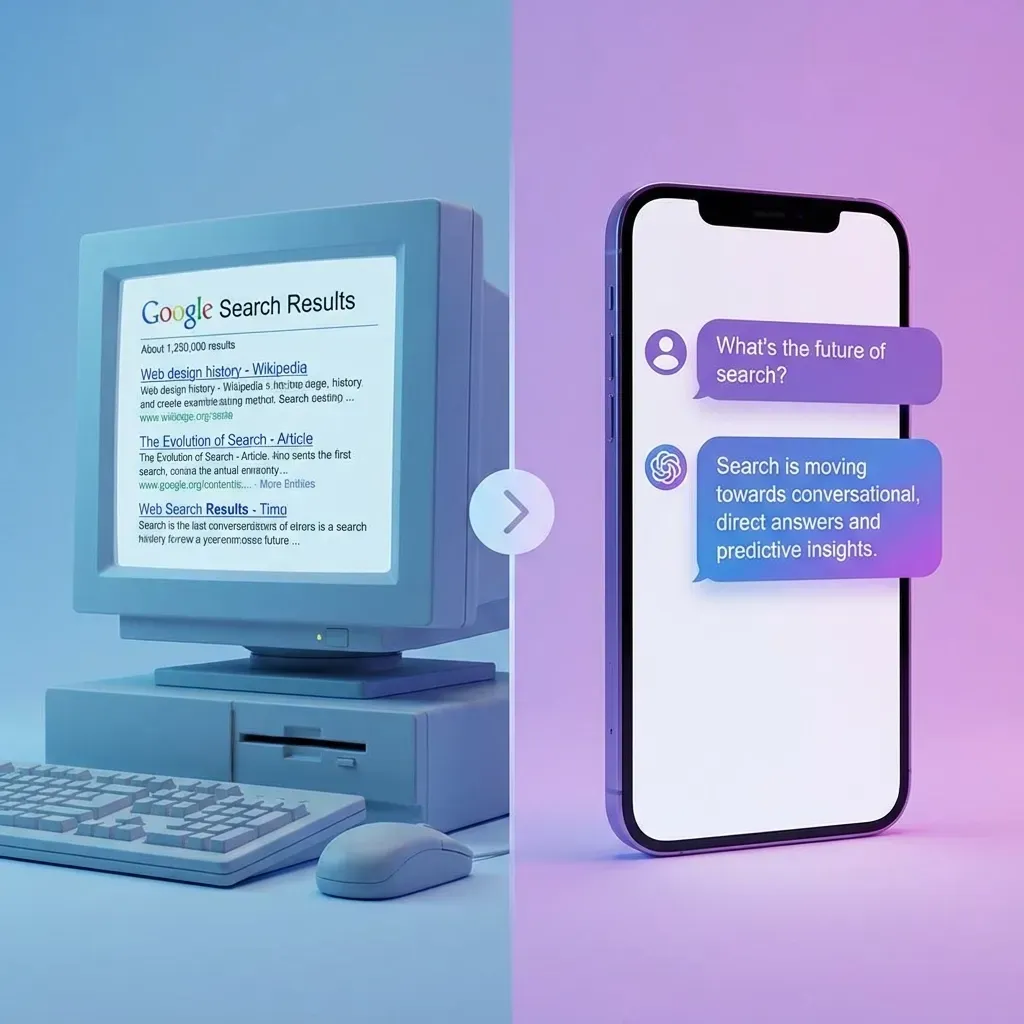
Traditional Google search shows you a list of links. AI search gives you direct answers by synthesizing information from multiple sources in real-time.

Here's the critical difference: Google ranks web pages. AI search systems rank sources and entities.


When someone asks ChatGPT "Who's the best marketing consultant in Dallas?" the AI doesn't crawl your website for keywords. Instead, it evaluates your overall digital presence: your content depth, consistency across platforms, citations from other sources, and how clearly you're positioned as an authority.


Old SEO tactics like keyword stuffing and link schemes don't just fail in AI search: they actively hurt your chances. AI models are trained on natural language and reward businesses that demonstrate genuine expertise through comprehensive, well-structured content.


How AI Decides Who to Trust


AI search engines use six core signals to determine which businesses to cite and recommend:

  1. Topical Authority: Your depth of content around specific subjects matters more than breadth. AI systems reward businesses that consistently publish comprehensive content within their expertise area.
  2. Brand Consistency: How aligned is your messaging across your website, social profiles, and third-party mentions? Inconsistent information confuses AI models and reduces your citation probability.
  3. Content Depth: Thin, surface-level content gets ignored. AI systems prioritize sources that provide detailed, actionable information that genuinely helps users.
  4. Cross-Platform Presence: Your visibility across multiple channels: social media, industry publications, podcasts, directories: signals credibility to AI algorithms.
  5. Engagement Signals: Real engagement from real people (comments, shares, mentions) indicates your content provides value beyond just existing.
  6. Recency and Relevance: Fresh, up-to-date information gets prioritized, especially for time-sensitive topics.


The key insight: AI ranks who is most credible, not who gamed SEO best.


The New Visibility Stack for AI Search


Success in AI search requires building what we call "visibility infrastructure": interconnected systems that signal authority across multiple touchpoints.


  • Foundation Layer: Comprehensive on-site content including detailed service pages, educational blog posts, and FAQ sections that answer questions in natural language.
  • Authority Layer: Off-site credibility through industry mentions, citations, backlinks from reputable sources, and guest appearances on relevant podcasts or publications.
  • Distribution Layer: Consistent content sharing across social platforms, email marketing, and industry forums where your audience gathers.
  • Educational Assets: Long-form guides, case studies, and resources that demonstrate deep expertise and get referenced by others.
  • Messaging Consistency: Aligned brand voice and positioning across every platform and touchpoint.
  • Engagement Infrastructure: Systems that encourage and capture meaningful interactions with your content.
  • This isn't about individual tactics: it's about creating an ecosystem where each element reinforces the others.


Why Most Businesses Won't Rank in AI Search


The businesses struggling with AI search share predictable patterns:

Thin Content: Surface-level blog posts and generic service pages don't demonstrate the expertise AI systems look for.

Inconsistent Messaging: Your LinkedIn says one thing, your website says another, and your Google Business Profile tells a third story.

No Content Depth: Publishing occasionally without building comprehensive knowledge bases around your core topics.

Limited Cross-Platform Presence: Strong website, weak social presence, or vice versa: AI systems want to see consistent authority everywhere.

No Visibility Measurement: Flying blind without understanding how visible you actually are to AI systems.

Here's the reassuring truth: this is a systemic issue, not a personal failure. Most businesses built their marketing around old search rules. The solution isn't starting over: it's upgrading your visibility infrastructure.


How to Optimize Your Business for AI Search (Practically)


Structure Content for Direct Answers: Lead with your most important insights. Use clear headings, short paragraphs, and bulleted lists. Write as if answering conversational questions, because that's exactly what AI models do.


Build Topical Clusters: Instead of random blog posts, create interconnected content ecosystems. If you're a marketing consultant, build comprehensive resources around lead generation, conversion optimization, and marketing strategy: all linking to each other.


Implement Structured Data: Use schema markup (FAQ, HowTo, Article, Product) to help AI agents understand your content structure, pricing, availability, and specializations.


Signal Expertise Clearly: Make your credentials, experience, and unique methodology obvious. AI systems need clear signals about who you are and what you're uniquely qualified to help with.


Align Everything: Your website, social profiles, directory listings, and content should tell the same story about your expertise and positioning.


Prioritize FAQs and Guides: These formats naturally align with how people ask AI systems questions and how AI models prefer to retrieve information.


Remember: consistency beats volume. Better to publish one comprehensive guide per month than four thin blog posts.


Visibility vs. Rankings: The Reframe


Stop thinking about "ranking" in AI search. You don't rank: you become visible enough to be cited.

Traditional SEO was about claiming a spot on page one. AI search is about becoming a trusted source that gets referenced when relevant topics come up. This is actually better for qualified businesses because it's based on genuine authority rather than gaming algorithms.


AI systems pull from sources they trust. When your business consistently demonstrates expertise through comprehensive content and cross-platform authority, you become part of that trusted source network. Authority compounds over time as more AI systems recognize and cite your expertise.


This shift favors businesses with real expertise over those that simply understood SEO tactics.


How Long It Takes to Rank in AI Search (Truthfully)


What Improves Quickly (30-90 days): Content clarity, structured data implementation, messaging consistency across platforms, and technical foundations.


What Compounds Over Time (3-12+ months): Topical authority, citation frequency, cross-platform recognition, and overall trust signals.


The realistic timeline depends on your starting point. Businesses with existing content and some authority can see AI citations within 60-90 days of implementing structured optimization. Companies starting from scratch need 6-12 months to build sufficient authority.


But here's what most businesses miss: you don't need years if your systems are properly aligned. Well-structured visibility infrastructure accelerates the timeline significantly compared to random content creation.


How to See Where You Rank Today (And What's Missing)


Most businesses have no idea how visible they are to AI search engines. There's no simple dashboard that shows "AI visibility" across ChatGPT, Perplexity, Google AI Overviews, and other platforms.

This creates a critical blind spot. You might be investing in content, SEO, and social media without understanding which efforts actually improve your AI search visibility. Guessing leads to wasted effort and missed opportunities.


The challenge is that AI search visibility requires tracking multiple signals: topical authority, citation frequency, cross-platform consistency, content depth, and engagement quality: across various AI platforms simultaneously.


Transform Your AI Search Visibility Today


If you want to know how visible your business actually is to AI search engines: and what specific gaps are preventing you from being cited and recommended: the Free Visibility Blueprint is the fastest place to start.


This comprehensive assessment shows you:

  • Where you currently rank across AI visibility signals
  • Which gaps are limiting your authority and citations
  • What to fix first for maximum impact
  • A clear roadmap to become the trusted source in your market


Get the Free Visibility Blueprint at LevelNextConsulting.io


The businesses that build proper visibility infrastructure now will compound advantages as AI search continues expanding. The question isn't whether AI search will impact your industry: it's whether you'll be visible when it does.


Recent Posts

By Max Bergstrom January 5, 2026
Every service business owner knows the truth: without visibility, there is no growth. But here's what most don't realize: visibility itself isn't the challenge anymore. The real problem is unstructured visibility that burns resources without building momentum. You're already posting content. You're running ads. You're showing up on social media. You might even be ranking for some keywords. But if growth feels inconsistent, if leads come in waves rather than steady streams, and if you're constantly "starting over" each month, the issue isn't that you need more visibility. It's that your visibility isn't designed to compound. In today's market, business visibility is non-negotiable. But the structure of that visibility: how it connects, reinforces, and builds upon itself: determines whether you're building a growth engine or just making noise. The Two Types of Visibility: Random vs. Strategic Most businesses operate with random visibility. They post when they remember. They run ads when budgets allow. They update their website occasionally. They respond to reviews when they notice them. Each effort exists in isolation, creating temporary spikes of awareness that fade as quickly as they appeared. Random visibility feels like progress because it generates activity. But activity without architecture doesn't compound: it just creates more work. Strategic visibility, on the other hand, is engineered. Every piece of content serves multiple purposes. Every ad campaign feeds into a larger system. Every social media post connects to email sequences, retargeting campaigns, and search optimization. When someone discovers you through one channel, they encounter consistent messaging across every other touchpoint. The difference isn't complexity: it's connection. Strategic visibility treats each marketing effort as part of an ecosystem, not as standalone tactics. This is why some businesses see explosive growth while others with similar budgets struggle to gain traction. Why Visibility Drives Trust Before Conversion Here's the psychological reality of modern buying: trust is built before the first conversation ever happens. When prospects research your industry, they're not just looking for solutions: they're looking for signals of credibility, authority, and reliability. The mere exposure effect proves that familiarity breeds preference. The more often someone encounters your brand in relevant contexts, the more trustworthy you appear. But this only works when that exposure feels intentional and consistent, not accidental and sporadic. Consider how your ideal clients make decisions. They Google their problem and scan the first page of results. They check social media for recommendations. They read reviews and case studies. They visit websites and compare approaches. They might even ask AI tools for suggestions. At every stage of this journey, they're forming judgments about competence, professionalism, and fit. If your visibility is structured correctly, you're building trust at each touchpoint. If it's random, you're either invisible or inconsistent: both of which work against you. Marketing visibility strategy that compounds leverages this psychology intentionally. When prospects see you ranking for relevant searches, posting valuable content, earning positive reviews, and maintaining an active social presence, they arrive at their first conversation already convinced of your credibility. Where Visibility Breaks Down for Most Businesses The breakdown rarely happens at the visibility level: it happens at the connection level. Most service businesses have decent individual marketing efforts. Their website looks professional. Their social media content provides value. Their ads reach the right people. Their email newsletters are informative. But these efforts don't talk to each other.  Visibility without capture means prospects discover you, consume your content, and disappear without ever entering your system. There's no bridge from awareness to engagement. Visibility without follow-up means interested prospects slip through the cracks. They visit your website, download a resource, or engage with your content, but no automated system nurtures that interest into action. Visibility without sequencing means prospects encounter random pieces of your messaging in random order. Instead of experiencing a logical progression from awareness to consideration to decision, they get a confusing mix of introductory and advanced content. Visibility without attribution means you can't identify which visibility efforts actually drive results. You're visible, but you don't know which visibility creates value, so you can't optimize or double down on what works.
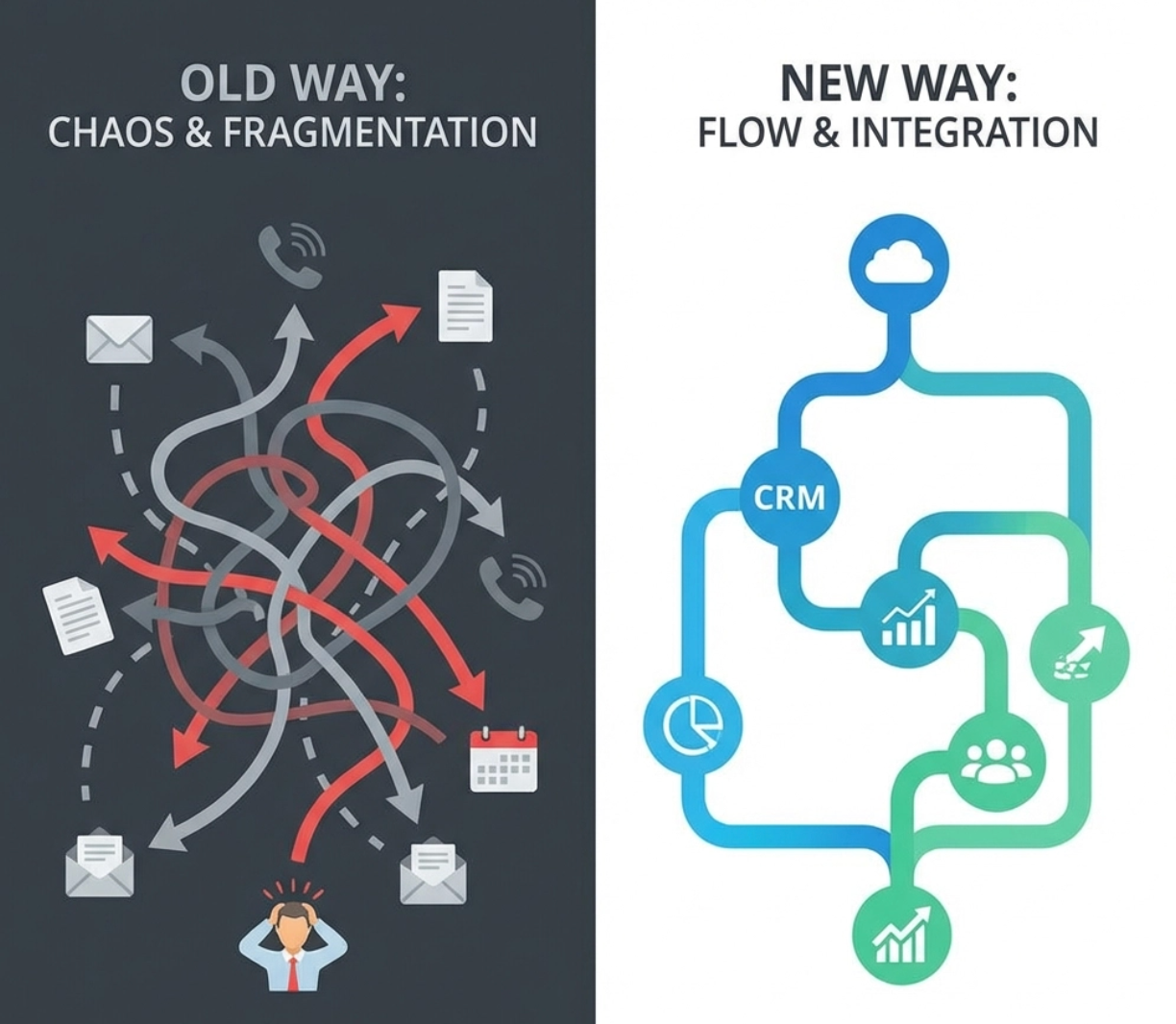
Comparison:
By Max Bergstrom December 30, 2025
Most service businesses try to grow by doing more marketing—but real, predictable growth comes from robust marketing infrastructure. Discover why systems, not scattered tactics, are the secret to consistent leads, visibility, and revenue. Learn how to build the foundation with Level Next Consulting.
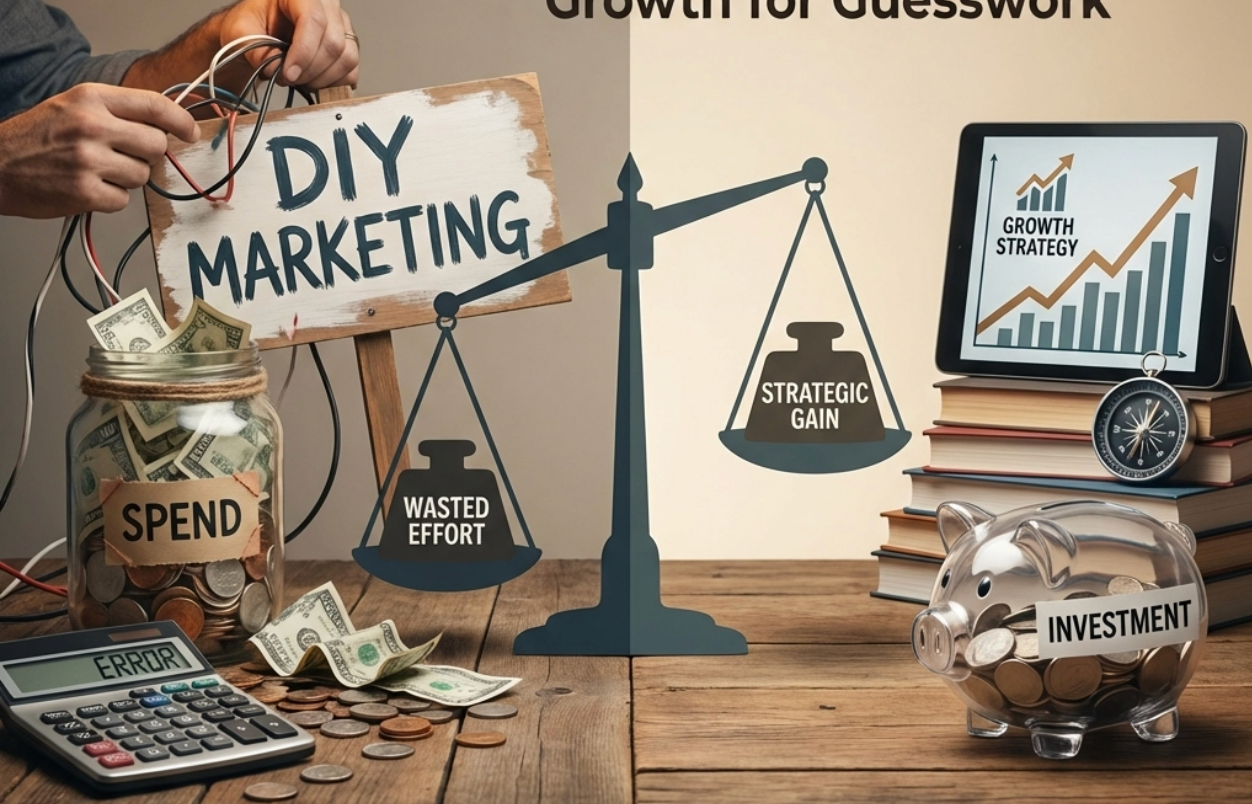
The Real Cost of DIY Marketing: How Wasted Spend Trades Growth for Guesswork
By Max Bergstrom December 26, 2025
Discover where DIY marketing costs your business more than you think. Learn how fragmented tactics waste money, miss leads, and stall growth—and how a connected marketing system delivers predictable results. Tailored for service-based business owners ready to scale smarter.